


A retaining wall is one of those structures most homeowners do not think about until the ground gives them a reason to. It holds back soil, manages a slope, and keeps a yard from slowly moving where it should not. On Nebraska lots, where freeze and thaw work on the ground all winter, the signs that you need one tend to show up gradually and then all at once. Catching them early is the difference between a planned project and an emergency repair. Here are the signs worth paying attention to.
The Ground Is Visibly Shifting or Sliding
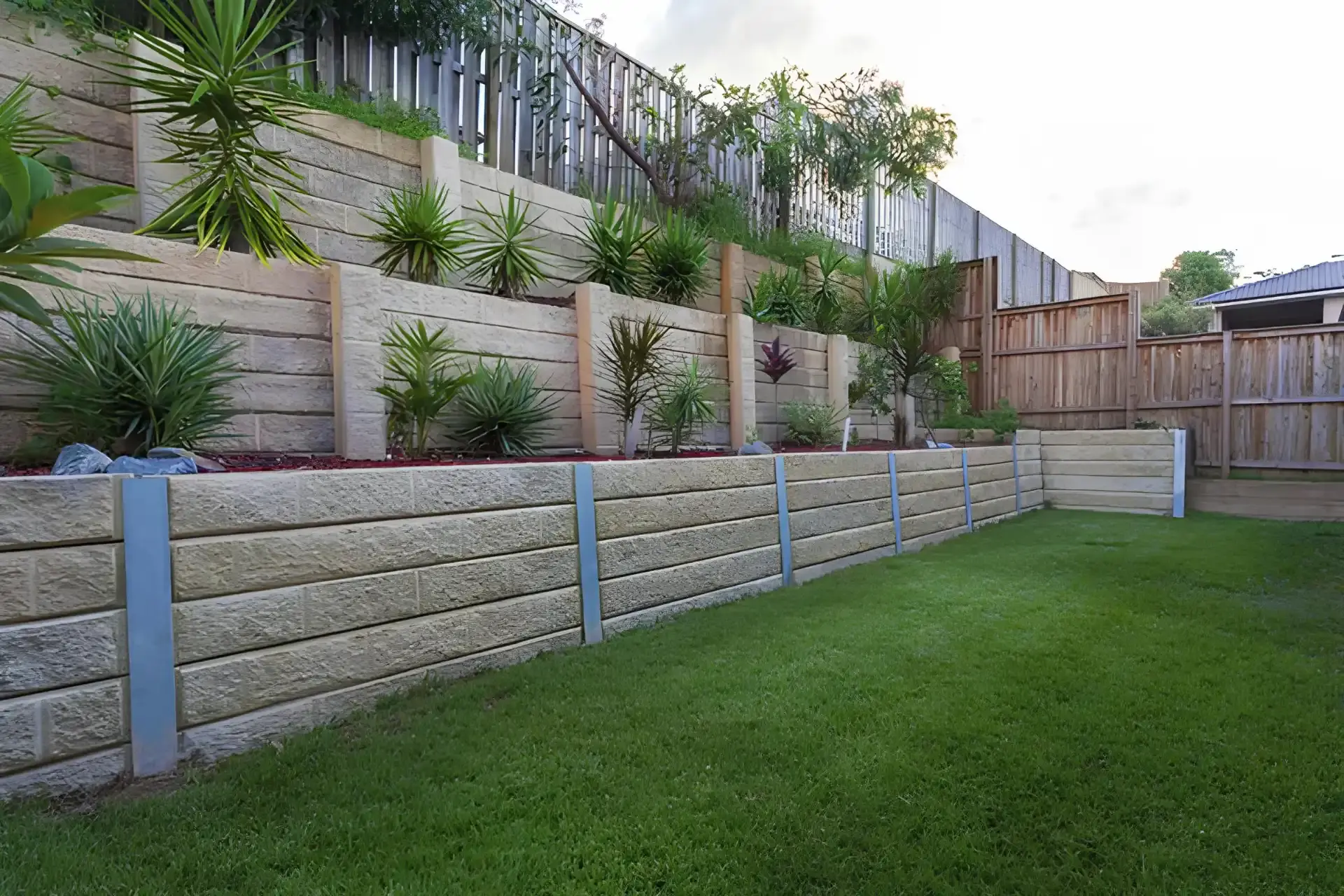
The clearest sign is soil that is no longer staying where it belongs. If you notice dirt washing down a slope after rain, bare patches where ground cover used to hold, or a hillside that looks like it is slowly creeping toward the house, the slope is losing the battle with gravity. A retaining wall built into that slope holds the soil in place and stops the movement before it reaches something you care about. Slopes are one of the most common reasons homeowners build one, since a grade that shifts every season only gets worse on its own.
Water Pools Where It Should Not
Drainage problems and grade problems usually travel together. If water collects against your foundation, sits in low spots across the yard, or runs toward the house instead of away from it, the land is not shedding water the way it should. A properly engineered retaining wall reshapes how the ground sits and, with the right drainage built behind it, redirects water away from the areas where it causes trouble. On a lot that slopes toward the home, that redirection often protects the foundation as much as it protects the yard.
There Is Cracking Near the Foundation
A retaining wall is not only a landscape feature. It can be a structural one. When soil presses unevenly against a foundation, or a slope above the house pushes down on it, that pressure can show up as cracks in the foundation or the surrounding hardscape. A wall built to relieve that load takes the pressure off the structure. This is one of the applications where the engineering matters most, since a wall meant to protect a foundation has to be designed for the load it carries rather than just stacked to look right.
You Cannot Use Part of Your Yard
A steep or uneven lot often has a section that is simply unusable. It is too sloped to put a patio on, too awkward to landscape, and too steep to walk without effort. A retaining wall is what turns that ground into something you can use. By holding back the slope, it creates a level area where there was none, which is why walls so often pair with a patio, a deck, or a driveway. If you have a corner of the property you have written off because of the grade, a wall is usually the thing that brings it back.
A Driveway or Structure Sits on a Slope
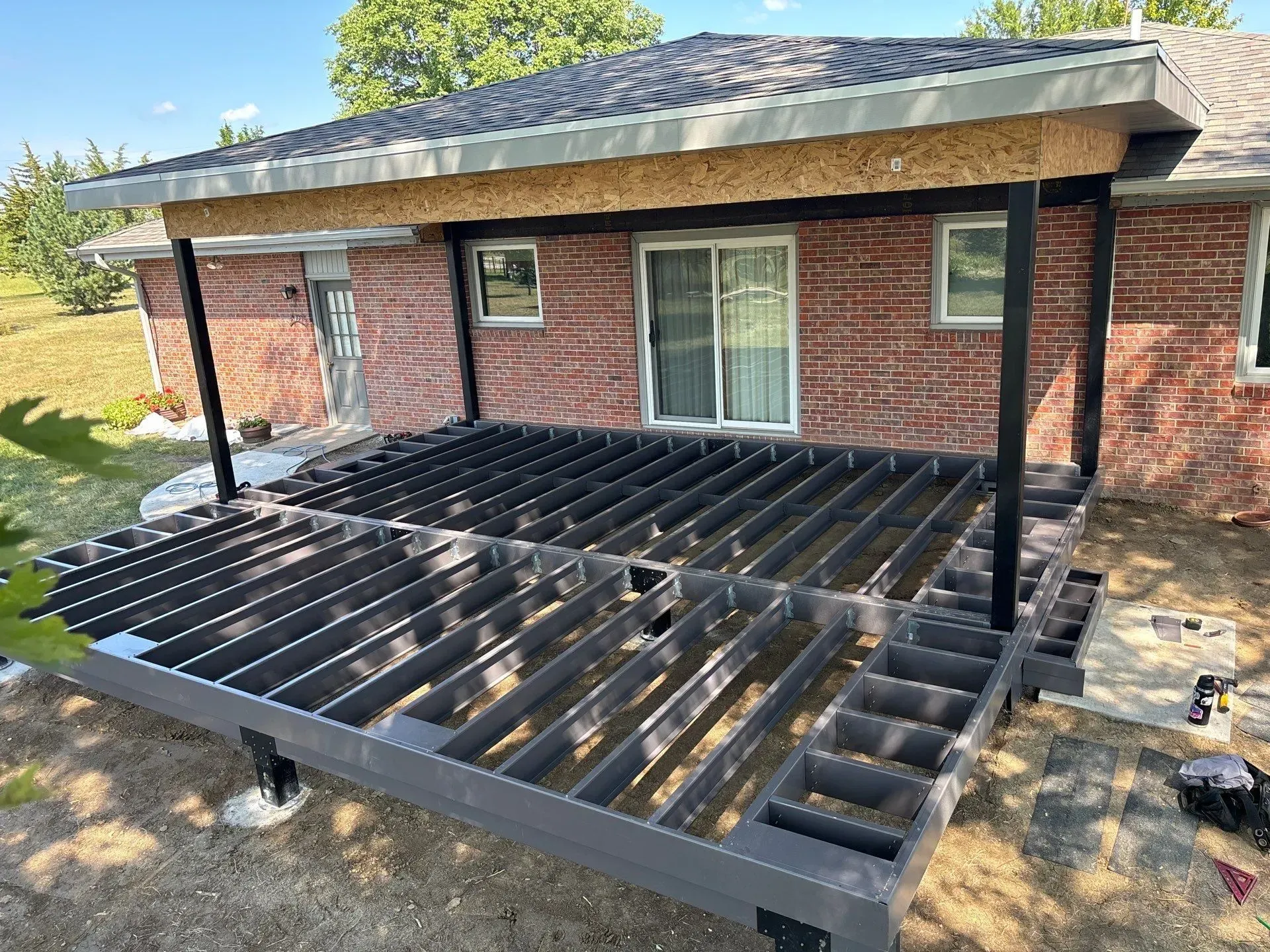
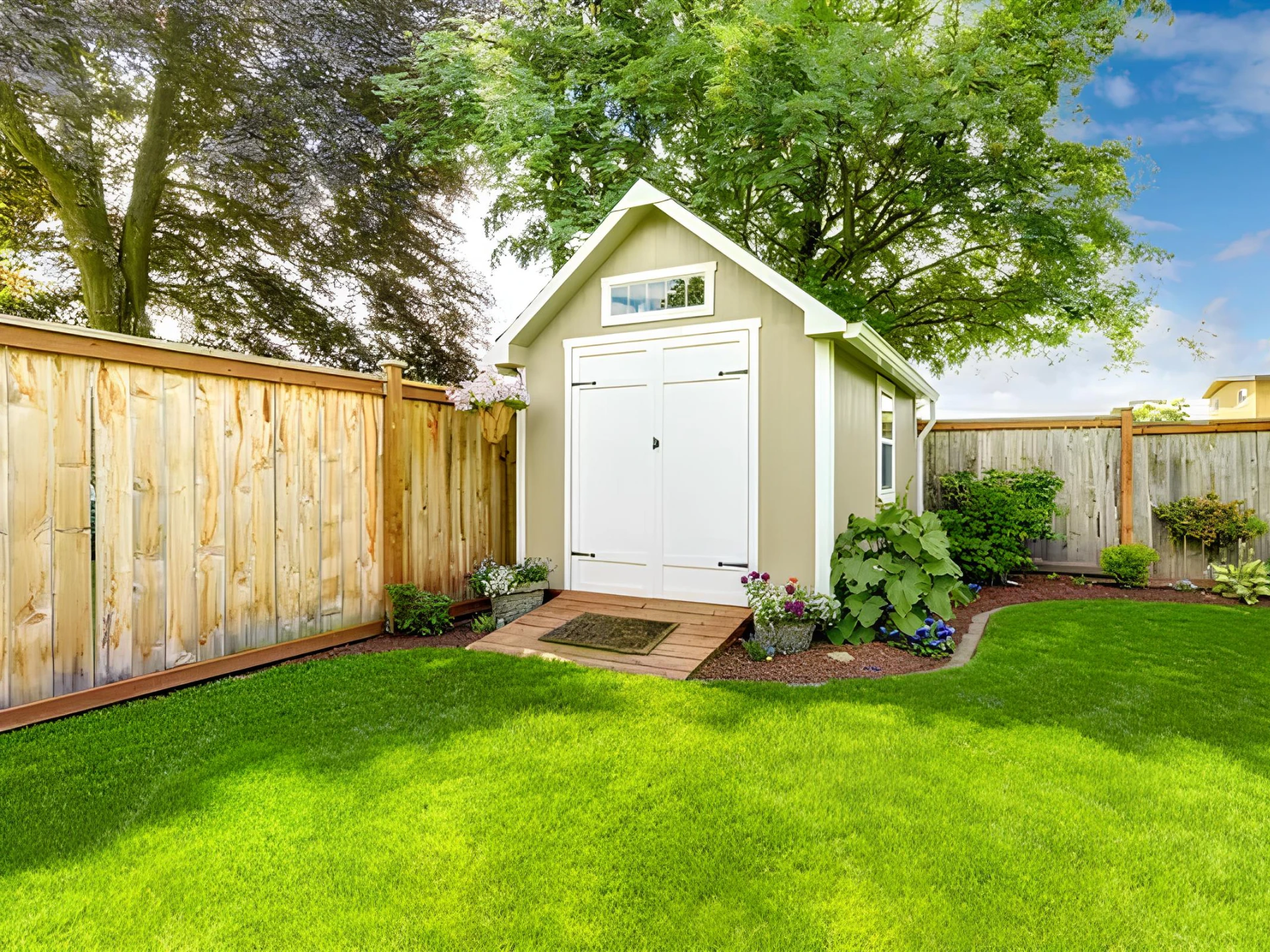
Anything built on or beside a grade needs the soil around it held in place. A driveway cut into a slope, a shed at the bottom of a hill, or a deck footing on uneven ground all depend on the surrounding earth staying put. When that soil starts to move, the structure it supports is next. A retaining wall stabilizes the ground around a driveway or a build, which is part of why it shows up as groundwork on so many larger outdoor projects rather than as a standalone job.
An Old Wall Is Failing
If you already have a retaining wall and it is leaning, bulging, cracking, or separating at the joints, it is telling you it has reached the end. A failing wall does not fix itself, and the soil it was holding does not wait. Bulging or tilting means the pressure behind it has won, and the safe move is to replace it before it comes down on its own. A wall that was undersized or poorly drained the first time is a candidate for a properly engineered rebuild.
The Material and Type Should Match the Job
Not every wall is the same, and the right one depends on the load, the height, and the look you want. Concrete, natural stone, brick, timber, steel, composite, and gabion all suit different situations, and the engineering behind the wall, whether a gravity wall, a segmental wall, or an anchored design, is what determines whether it holds. This is where an engineering-minded builder earns the job, since a wall is only as good as the design and drainage behind it.
Get an Assessment Before It Gets Worse
If any of these signs sound like your property, the smart move is to have someone read the slope, the drainage, and the soil before the problem grows. Call Black Label Deck & Outdoor Living at +1 402 730 6333 or visit 3128 S 6th St, Lincoln, NE 68502 for a free estimate and 3D design.