


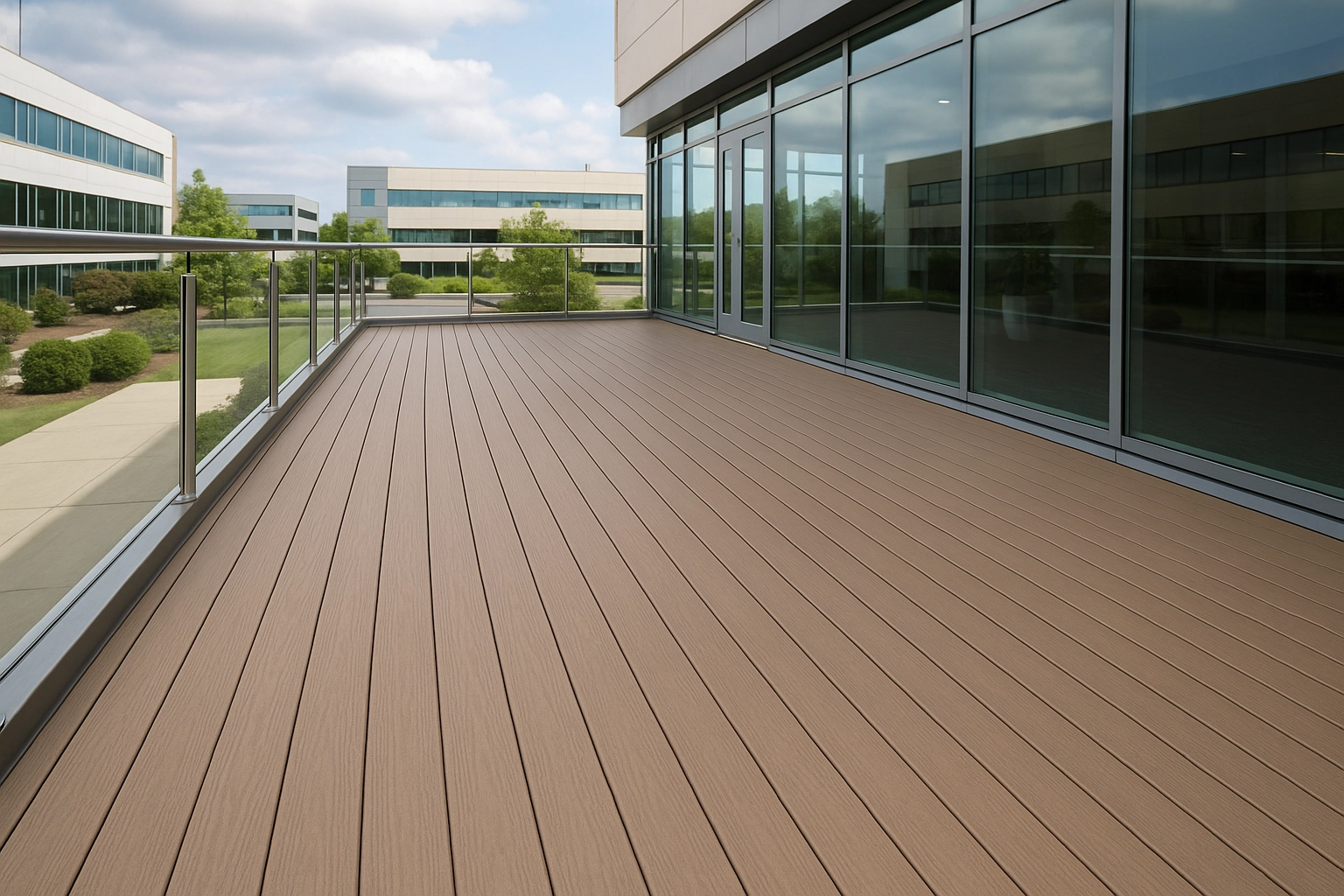
PVC decking has become one of the most popular surface choices for Lincoln homeowners, and for good reason. It resists moisture completely, never rots, and requires almost no maintenance over its long lifespan. But the material only performs the way it should when the installer understands how it behaves in Nebraska’s specific climate, where summer heat and winter cold swing across an enormous range every single year.
This guide explains why thermal expansion, gap spacing, and the freeze-thaw cycle matter so much for a PVC decking installation in Lincoln. Getting these details right is the difference between a deck that stays tight and flat for decades and one that buckles, gaps, or warps within a few short seasons of being built.
How the Boards React to Temperature
PVC is a solid synthetic material with no organic wood fiber, which is exactly why it resists rot, mold, and insect damage so effectively. That same composition also means the boards expand and contract more with temperature change than wood or composite alternatives. Heat makes the boards grow slightly longer, and cold makes them shrink back to their original dimensions across the surface.
In Lincoln, this matters more than in milder climates. Summer surface temperatures on a sunny deck can exceed 140 degrees, while winter lows drop well below zero across the long Nebraska cold season. A quality PVC decking installation accounts for this full range of movement, since boards installed tight on a cold day will push hard against each other when summer heat expands them across the entire deck surface.
Why Gap Spacing Is Not Optional
Gap spacing is the single most important detail in a PVC decking installation, and it is also the detail that rushed or inexperienced crews most often get wrong. The manufacturer specifies precise gaps between board ends and along board sides based on the temperature at the time of installation. These gaps give the boards room to expand without buckling against one another.
When a crew installs PVC decking too tight, the summer heat has nowhere to send the expansion. The boards push against each other, lift at the seams, and create raised edges that become trip hazards across the deck surface. Install them with proper spacing and the deck stays flat and tight through every season. The board temperature at install time determines the exact gap, which is why experienced installers check it carefully before fastening anything down.
Nebraska’s Freeze-Thaw Cycle and Fastening
Lincoln experiences dozens of freeze-thaw cycles every winter, where temperatures rise above freezing during the day and drop back below at night. Each cycle puts stress on every fastener and connection point across the deck. The synthetic boards handle this repeated stress well when fastened correctly, but poor fastening choices show up quickly and create problems that worsen with every passing season.
Hidden fasteners and proper screw placement allow the boards to move slightly as they expand and contract through each cycle. Fasteners driven too tight restrict that movement and cause the boards to crack, split, or pull loose over time. A skilled PVC decking installation uses the fastening system the manufacturer specifies, which keeps the boards secure while still allowing the natural movement Nebraska’s climate demands throughout the year and across the full lifespan of the deck.
The Framing Beneath the Surface Matters Too
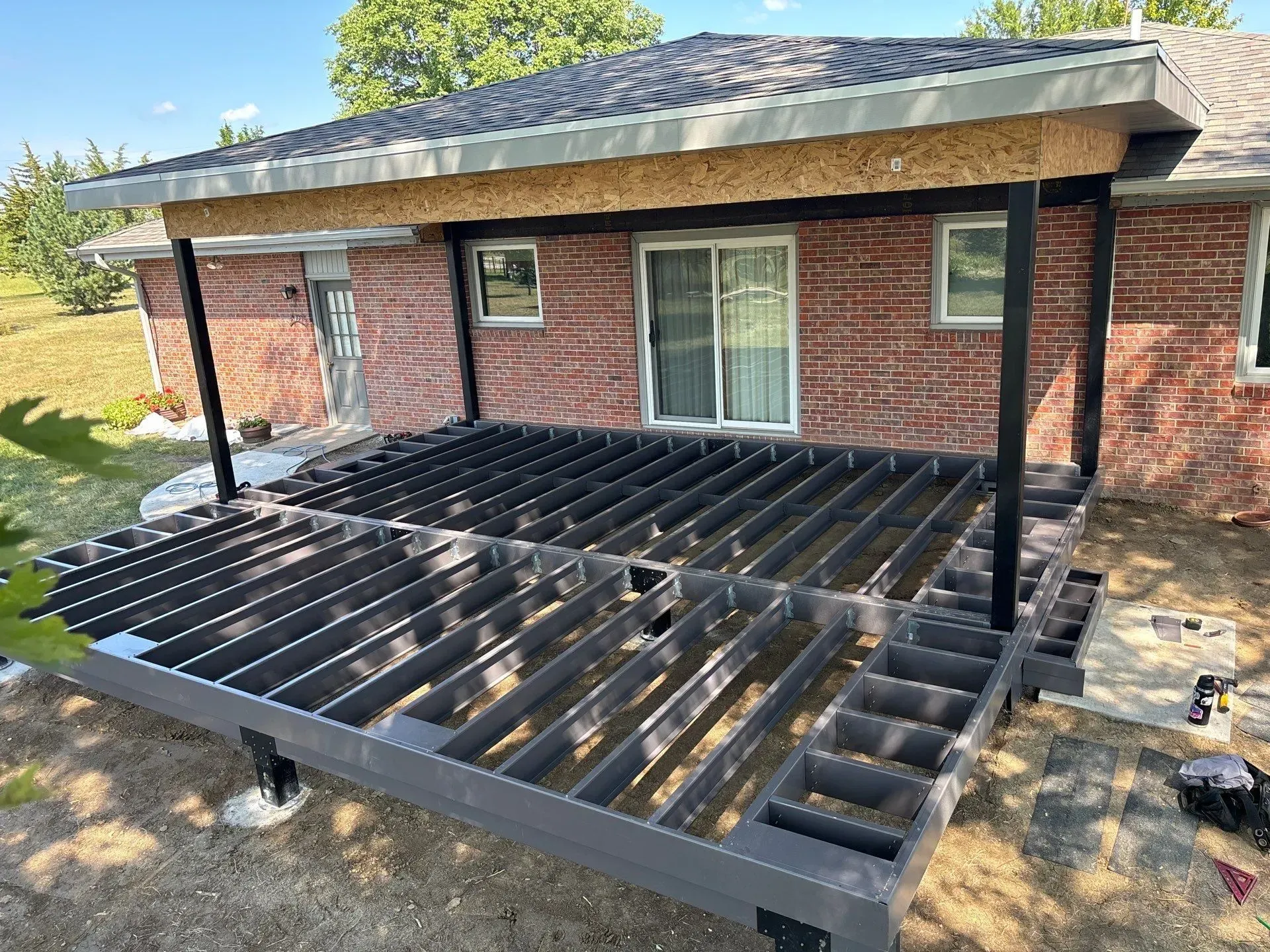
A PVC decking surface performs only as well as the structure underneath it. The framing has to be flat, properly spaced, and built to handle the same Nebraska climate that stresses the surface boards. Joist spacing directly affects how the deck feels underfoot and how well it resists sagging or flexing between supports over the years of use.
Black Label builds on framing material options including pressure-treated wood, steel, aluminum, and PWT engineered lumber from brands like Fortress, ProWood, TimberTech Aluminum, and KDAT. The footing system anchors everything below the 42-inch Lincoln frost line, using traditional concrete footings, helical piers, or diamond piers depending on the soil conditions and engineering needs of the lot. Solid framing keeps the surface boards moving the way they should without introducing any new stress points.
Choosing the Right Product and Installer
Not all of these products perform equally, and brand selection matters in a climate as demanding as Nebraska’s. TimberTech by Azek leads the PVC category with capped polymer technology, strong warranty coverage, and proven performance across wide temperature ranges. Other quality options come from manufacturers that build specifically for harsh-climate durability, long-term color retention, and resistance to the fading that affects cheaper products.
The installer matters just as much as the product itself. An experienced crew checks board temperature, calculates the correct gap spacing, uses the manufacturer’s fastening system, and builds on properly spaced framing across the entire deck. These details never show up in a basic quote, but they determine whether the deck lasts. For expert PVC decking design and installation in Lincoln and across the surrounding Nebraska communities, contact Black Label Decks & Outdoor Living at (402) 730-6333 to schedule a consultation and build a deck that performs through every season.